

Names of God · Part 16
Jesus, Our Peace
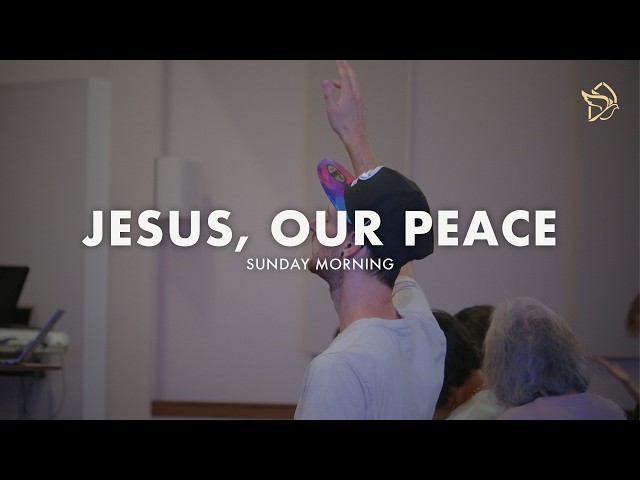
About this message.
Beginning a new stretch of the Names of God series on the things the Lord has given us to remember Him by, Pastor Jay asks a question most of us have wrestled with: how do I actually approach God? His answer comes through the peace offering in Leviticus 3, the one sacrifice that ended in a shared meal. Jesus doesn’t only give peace, he says. He is our peace offering, the One who makes broken things whole and brings us near.
The first time Scripture names God as peace is with Gideon, who was hiding his harvest from the Midianites and felt that God had forgotten His people. The Lord told him, “Peace be with you; do not fear, you shall not die,” and Gideon built an altar he called The-Lord-Is-Peace. Pastor Jay explains that the word is shalom: not just the absence of conflict but wholeness, everything broken put back together. Centuries later Paul wrote, “For He Himself is our peace.” Jesus is not the peace giver or the peace broker. He is peace, and if we have Him, we have everything we need.
“If you have Him, you have everything you need.”
In Leviticus, God gave His people ways to draw near: the burnt offering of total surrender, the grain offering of gratitude, the sin offering for guilt and shame. The peace offering was different. The worshiper laid hands on a spotless lamb, leaning his weight on it as his sin was transferred. Then the fat went up to God, the breast and thigh went to the priest, and the rest went home with the worshiper to eat with his family. It was a covenant meal shared with God. The word for offering, korban, means a nearness gift. Other gods’ worshipers left food at an altar and walked away; this God invited His people to feast with Him.
On the night before He died, Jesus told His disciples, “With fervent desire I have desired to eat this Passover with you before I suffer.” In the middle of the meal He took the bread and then the cup, saying, “This cup is the new covenant in My blood, which is shed for you.” Like the peace offering, it is a covenant meal, and “do this in remembrance of Me” means to keep doing it often. The service moves into communion: giving thanks for the bread, telling the Lord where we need peace, and receiving the cup together as one body.
Key points
- Shalom is more than the absence of conflict. It means wholeness, where everything that is broken is put back together.
- Jesus doesn’t just give peace. He Himself is our peace, and if we have Him, we have everything we need.
- The peace offering was the one sacrifice that ended in a shared meal. God wants more than our sin dealt with. He wants us at His table.
- Communion is a covenant meal. Jesus asked us to do it often, so we remember what He has done and receive Him again.
- The Lord’s table is meant to be received together. We partake as one body, not as a private moment.
From the message
“I love that Jesus not only is the one who gives us the meal; He is the meal.”
“Thank you, Lord, that you were broken so that I could be made whole.”
Leading a group?
Groups Discussion Guide
Questions and scripture to walk through this message together.
Download PDFHear it in the room.
There's nothing like worshiping together. Join us this Sunday at 10am — we'll save you a seat and a coffee.